THE WOOLMARK STORY
Long before science could explain all of wool’s remarkable properties, the people who grew it understood its extraordinary potential. Their ambition produced a symbol that championed wool’s natural intelligence and shaped some of fashion’s greatest names. From those humble beginnings, Woolmark has become recognised as the global authority on wool.
It began with sixpence a bale
Woolmark’s story begins with the belief to produce, study and improve wool’s exceptional potential, shaping its future for the people who grow it, create with it and experience it. This idea took wool beyond the farm gate and into laboratories, manufacturing facilities, department stores, sporting fields and fashion houses worldwide.
1936
In 1936, Australian woolgrowers agreed to contribute six pence from every bale of wool produced to support the research and promotion of their fibre. The following year, the International Wool Secretariat (IWS) was formed, to build demand for wool across the world.
A prize that shaped fashion
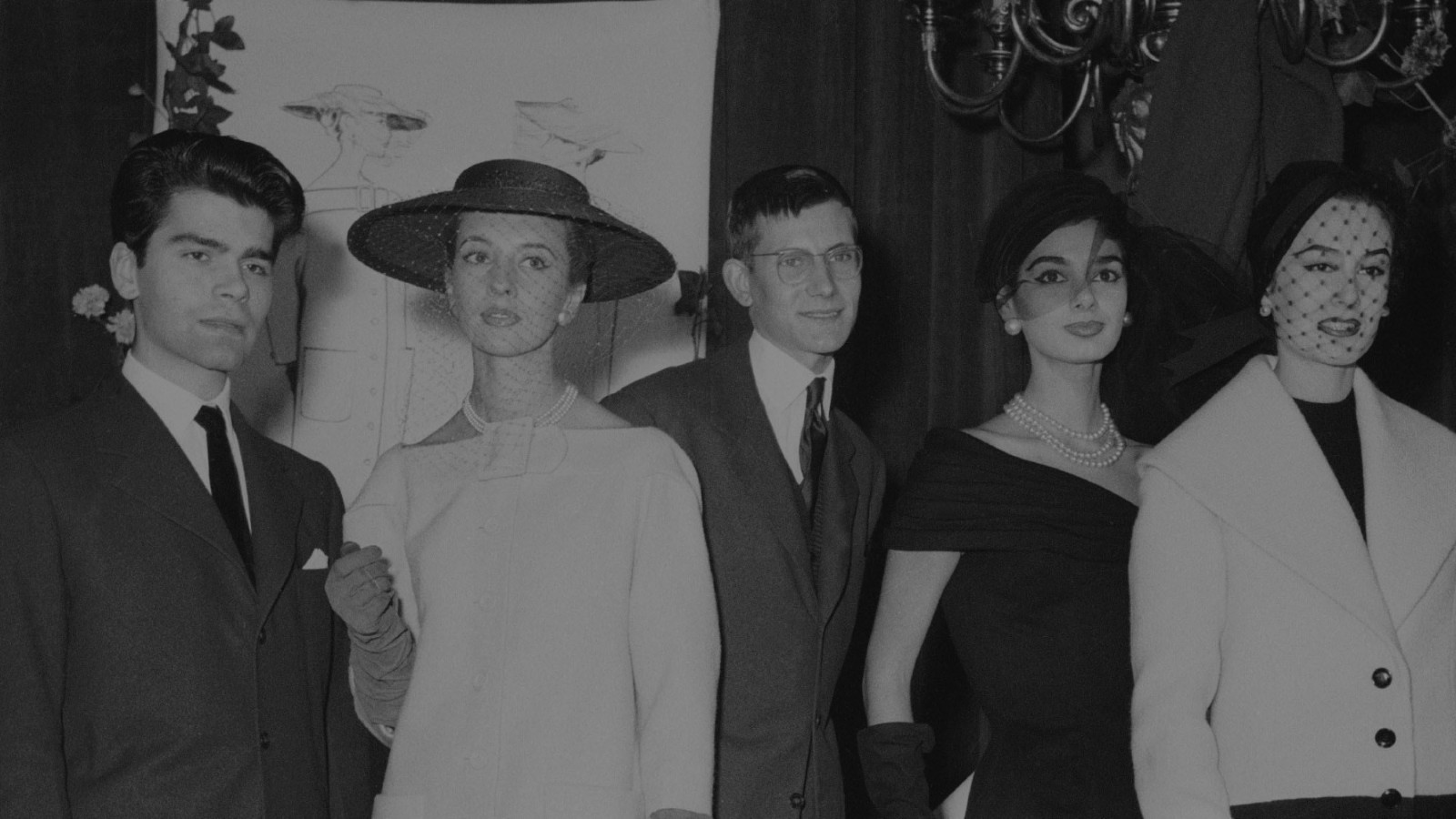
In the early 1950s, the IWS created a competition to encourage emerging designers to explore wool. In 1954, a 19-year-old Yves Saint Laurent won first prize in the dress category, with first prize for coats awarded to another young designer, 21-year-old Karl Lagerfeld. The competition brought Saint Laurent to the attention of Christian Dior who judged the award, while Lagerfeld was hired by Pierre Balmain, who put his prize-winning yellow wool coat into production.
INTERNATIONAL WOOLMARK PRIZE
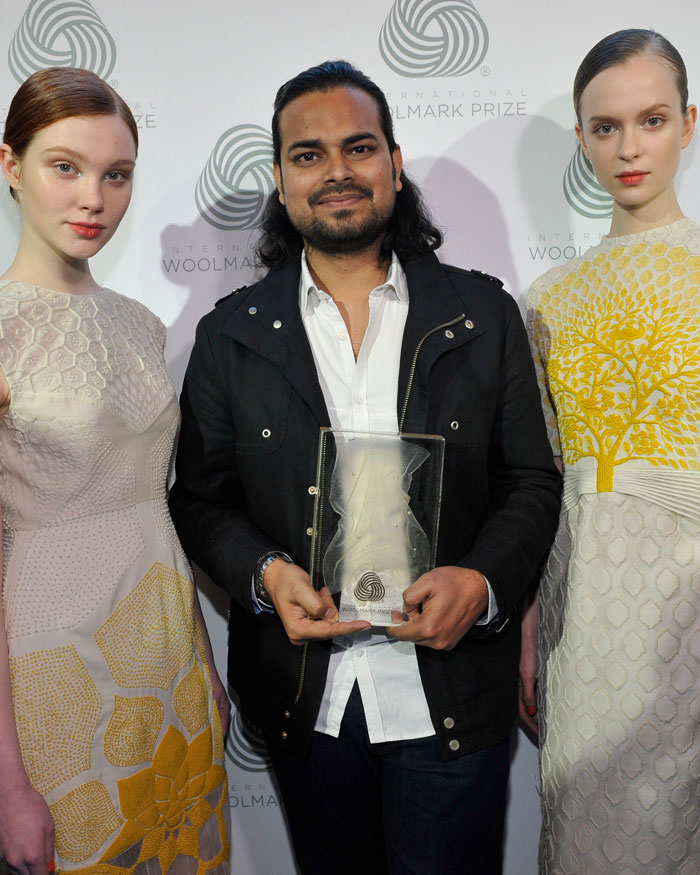
In later decades, the competition recognised designers including Giorgio Armani, Donna Karan and Ralph Lauren. With the prize reimagined for a new generation, the International Woolmark Prize has since supported designers including Raul Mishra, Gabriela Hearst, Christian Wijnants, BODE, Saul Nash and Duran Lantink.


The age of imitation
By the early 1960s, nylon, acrylic and polyester had become household names, synthetic fibres which had become popular after World War II. For shoppers, it was becoming increasingly difficult to know what a garment was made from or to distinguish wool from a growing number of imitations and blends. William Vines, then managing director of the IWS, proposed a single international symbol to identify authentic wool and guarantee its quality.
From its beginning, the Woolmark logo had to be earned. Products carrying the Woolmark symbol were required to meet defined standards for fibre content and performance. To this day, the Woolmark logo is only applied to products that pass rigorous third-party testing including wool content, colourfastness to light and liquid, durability and laundry testing.
THE MARK THAT MOVES BEYOND A LABEL
The Woolmark logo has since been found inside tailored suits, knitwear, coats, performance apparel and garments passed from one generation to the next. Across these categories, it has come to represent an enduring assurance of natural quality, giving brands and consumers confidence that a product has been tested to perform as expected.
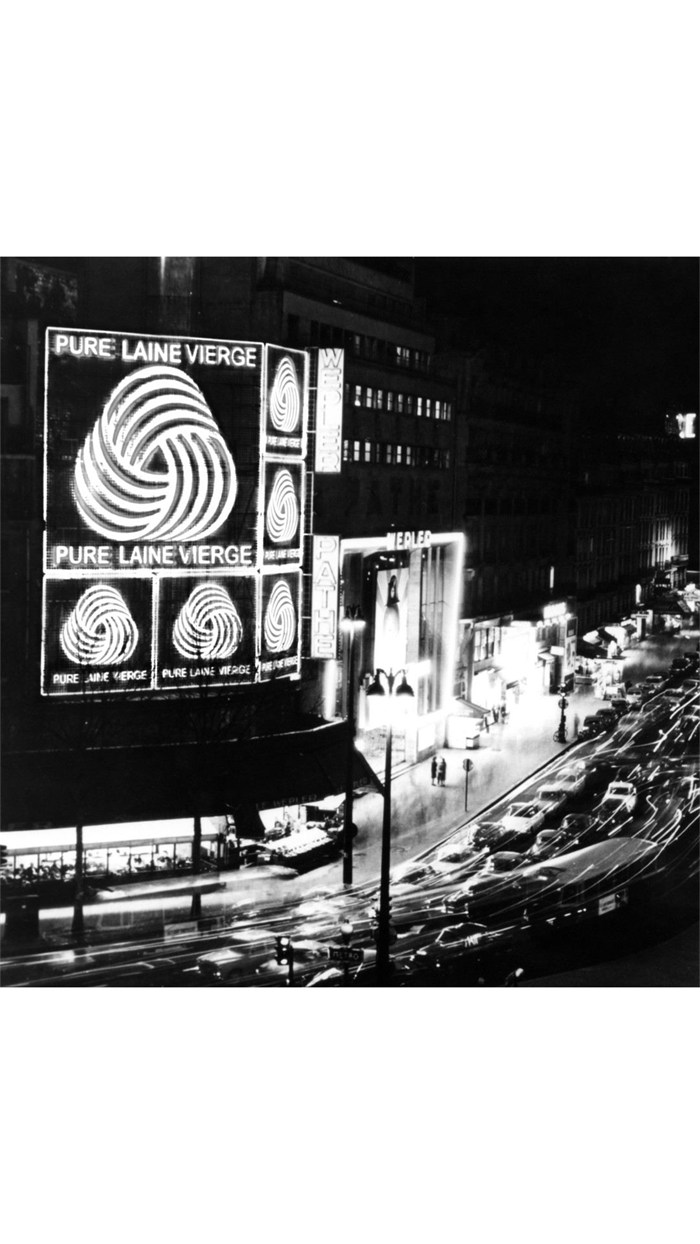
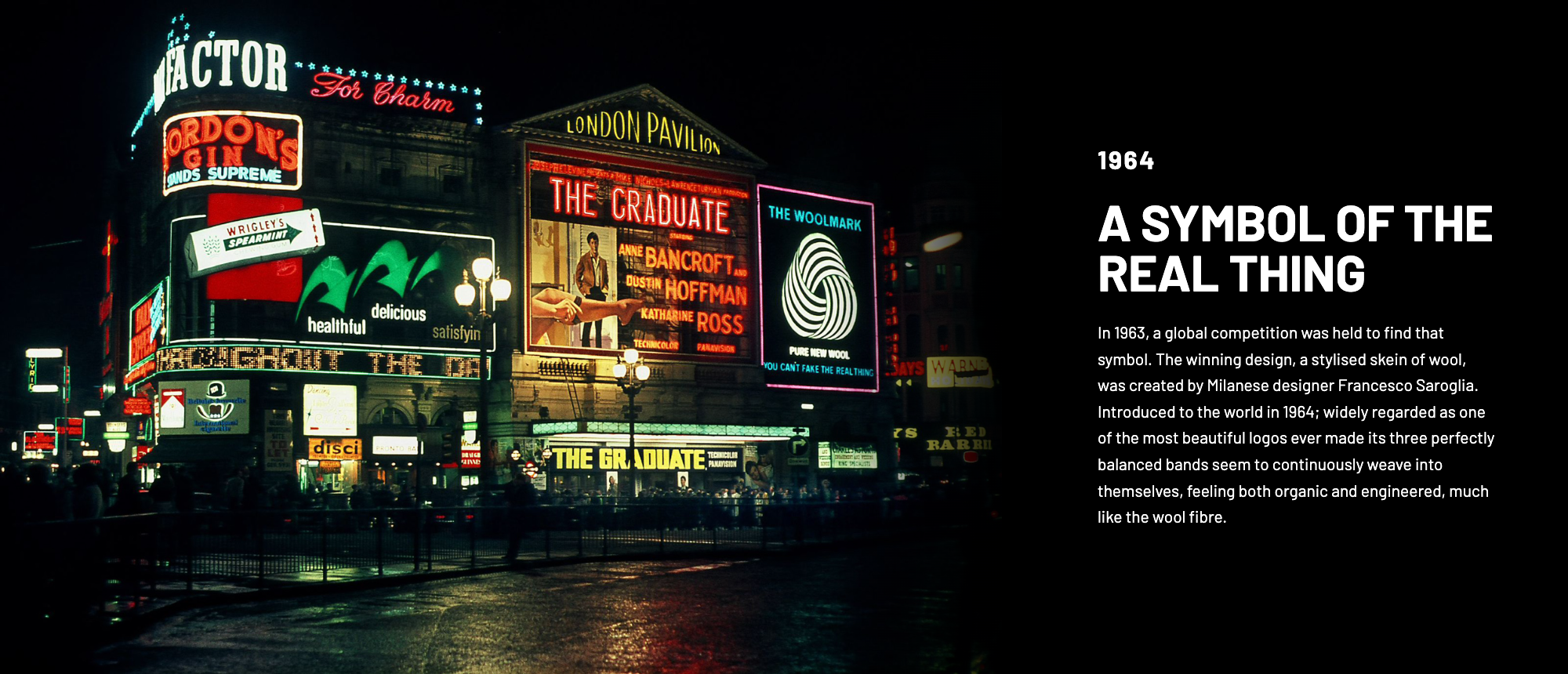
1960s: Above Times Square
The Woolmark logo appeared above Times Square, carrying wool’s new symbol into one of the world’s most recognisable public spaces.
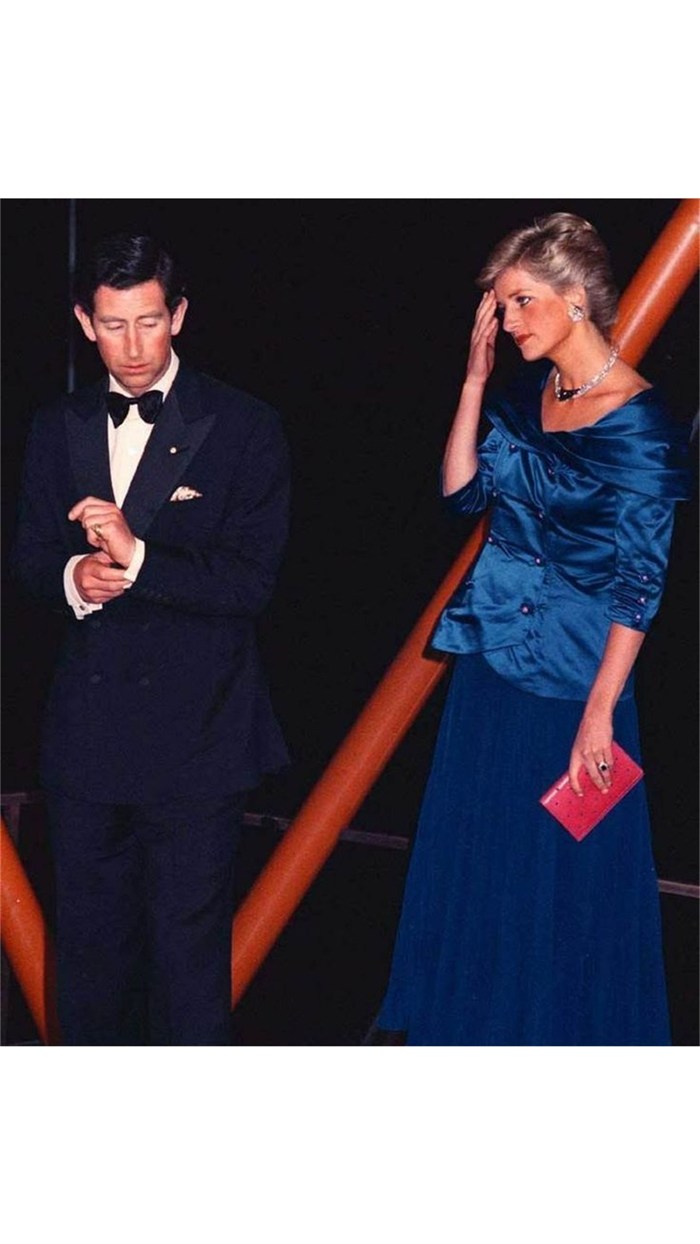
1988: Wool takes centre stage
Gianni Versace and Claude Montana created looks in Australian Merino wool for the Australian Bicentennial Wool Collection at the Sydney Opera House, attended by Diana, Princess of Wales.

2001: Wool takes the field
Manchester United took to the field in high-performance fabrics incorporating Sportwool technology, developed with Umbro and Woolmark.
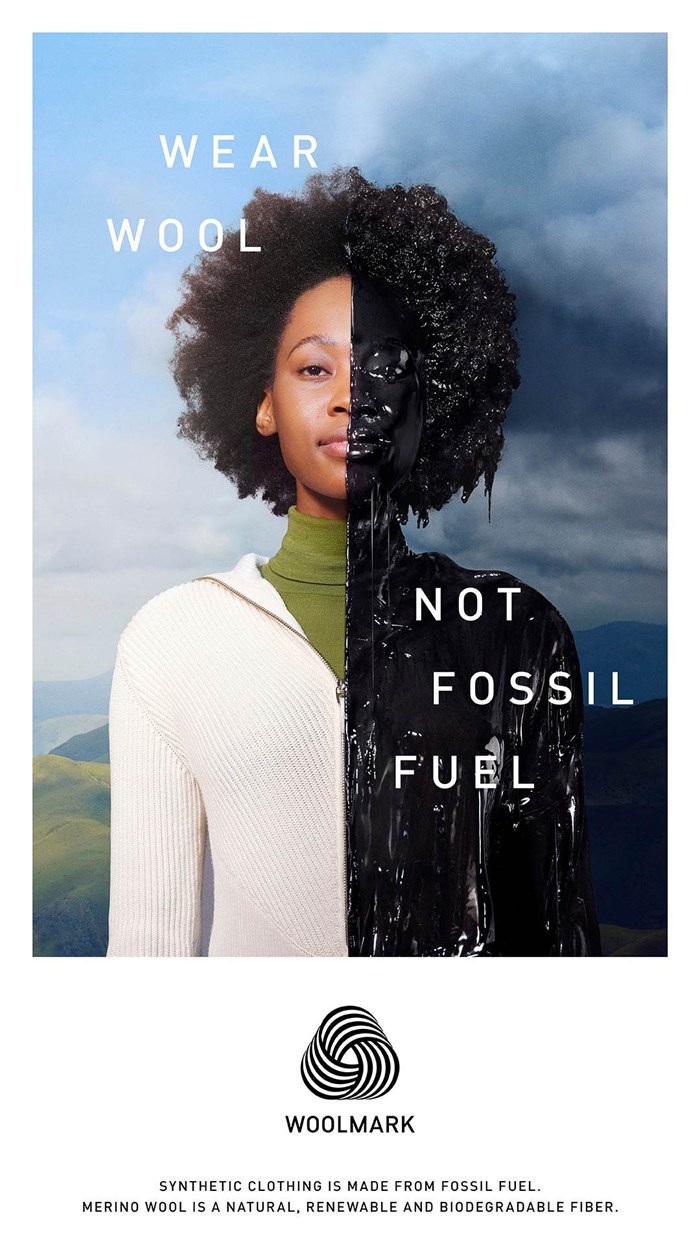
2023: The screens fill with oil
For Wear Wool, Not Fossil Fuel, 3D billboards in Times Square and Piccadilly Circus appeared to fill with oil, confronting fashion’s reliance on fossil-fuel-derived fibres.
Woolmark’s history is a story of invention and innovation.
Opening doors to wool from fashion houses to sporting fields and connecting the people who grow to those who wear it.
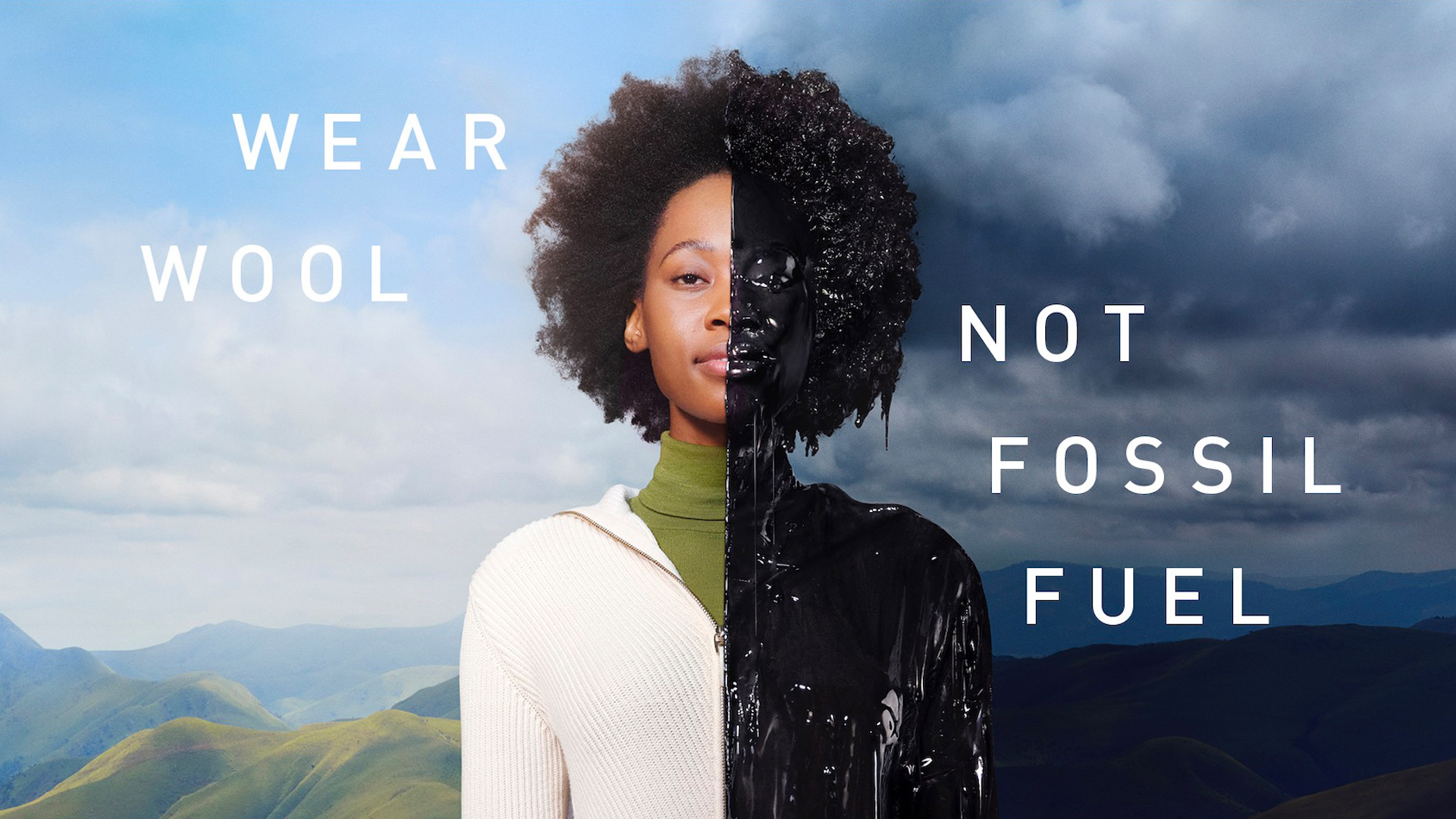
STILL MADE FOR WHAT'S NEXT
The world has changed dramatically since the Woolmark logo was first introduced. As fashion navigates rapidly changing consumption habits and a reliance on fossil-fuel derived materials, the ability to identify authentic, quality-assured materials like wool matters more than ever.
1964-1984
1964-1984
From the miniskirts of the Swinging Sixties to the vivacious prints of seventies psychedelia, Woolmark’s been there since the birth of modern fashion.
1984-2004
1984-2004
Power suits and puffy sleeves, our much-loved Australian fibre continued
to make its mark at the turn of the millennium.
2004-2024
2004-2024
With the advent of performance fibres and expanding global horizons,
Woolmark’s latest chapter has marked a new dawn in international apparel.